 The Trusted home of the world’s finest pianos since 1928

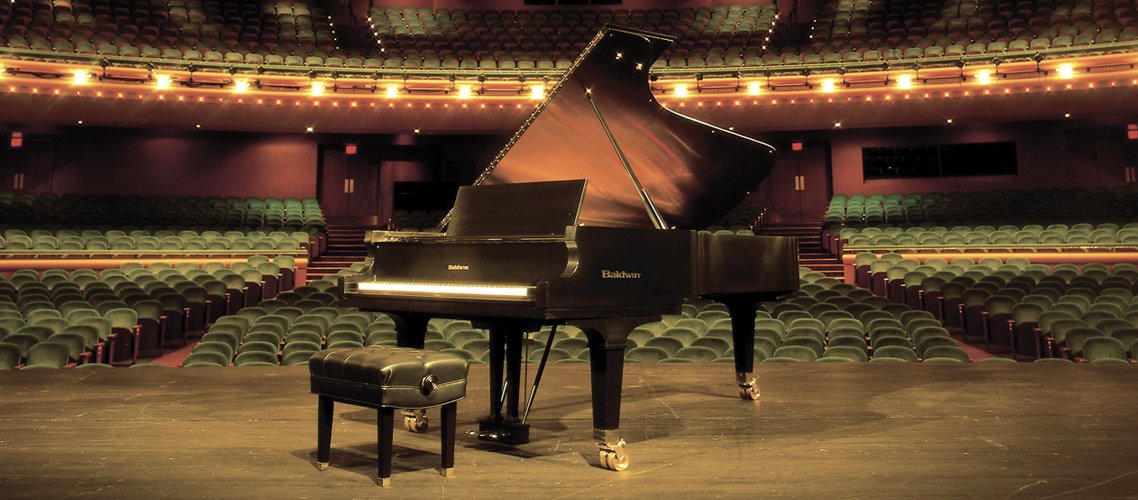
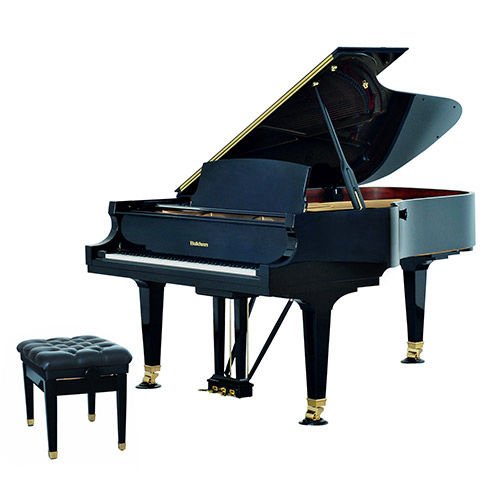
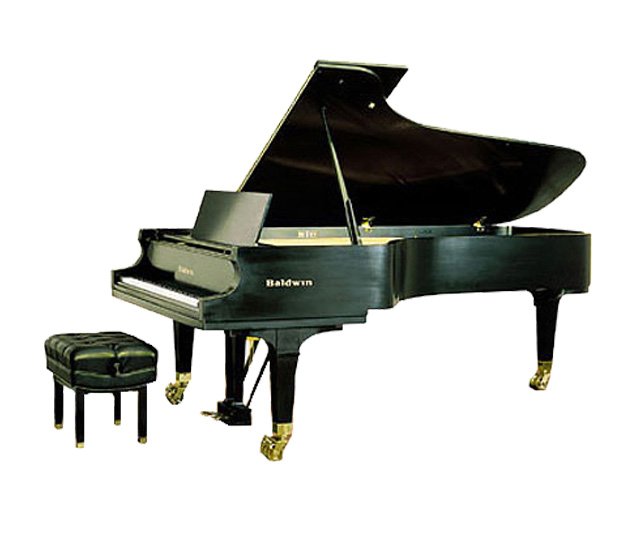
 The Baldwin Piano is one of America's most important and famous piano brands and is designed, engineered and headquartered in the USA. For more than 150 years Baldwin has been known as America's favorite piano. For good reason too, because nearly everyone knows someone who has a
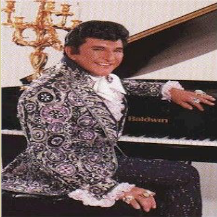
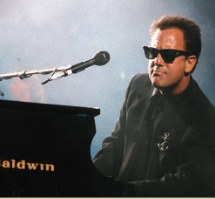 Baldwin in their family or a friend who has a Baldwin grand or remember the Baldwin in the school they attended. For those old enough to remember Liberace and piano man Billy Joel playing Baldwin.
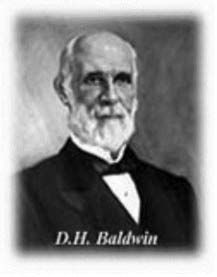 The company was founded by Dwight Hamilton Baldwin a Cincinnati music educator. He started it with $2,000 he saved from teaching for seven years. He used the money to start his own retail piano shop in 1862 selling Chickering, Steinway, Decker Brothers, and Vose pianos as well as Estey Reed organs and a small number of pianos manufactured by The Ohio Valley Piano Co. sold under the D.H. Baldwin & Co. name.
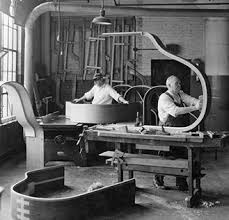 In 1899 Baldwin passed and Wulsin purchased Baldwin's estate guiding the company from retail to manufacturing. Baldwin won their first major award the "Grand Prix" in Paris in 1912. This was the first American manufactured piano to win such an award. In 1865 Baldwin hired Lucien Wulsin as a bookkeeper and in 1873 offered him a full partnership in the company. In 1887 Steinway made one of the biggest errors in their history. They cancelled Baldwin as a Steinway & Sons piano dealer thereby creating Steinway's biggest domestic competitor of the 20th century. This cancellation led the Baldwin company to begin designing and building their own pianos and organs. In 1889 they acquired the Hamilton organ company of Chicago and the following year established the Baldwin Piano Company. Their goal was to put the Baldwin brand on only the highest quality pianos made.
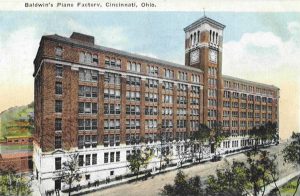 Baldwin, like many other manufacturers, began building wildly successful player pianos in the 1920s. A piano factory was constructed in Cincinnati, Ohio. The player piano models became unpopular by the end of the 1920s, which, coupled with the beginning of the Great Depression, could have spelled disaster for Baldwin. However, the company's president, Lucien Wulsin II, had created a large reserve fund for such situations, and Baldwin was able to ride out the market downturn while many other companies closed for good.
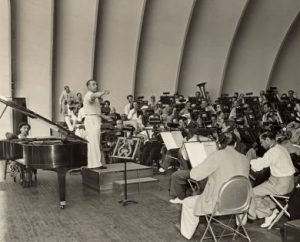 The Wulsin family made it be known that they intended to compete on the concert stage directly with Steinway and to promote the piano on the silver screen. In the early 40's Hollywood Piano became the Baldwin agent for the Los Angeles area to help them achieve their goals in film and for Los Angeles Baldwin Piano sales, rentals and service. The company immediately made inroads with Baldwin in the movies and on the concert stage. Then World War II came and the government ordered all manufacturers of pianos to cease piano manufacturing and put their energy toward the war effort. Baldwin engineers designed techniques for laminating wood for airplanes. What the company learned by constructing plywood aircraft wings contributed to the development of their famous pinblock design, a version of which is still used today.
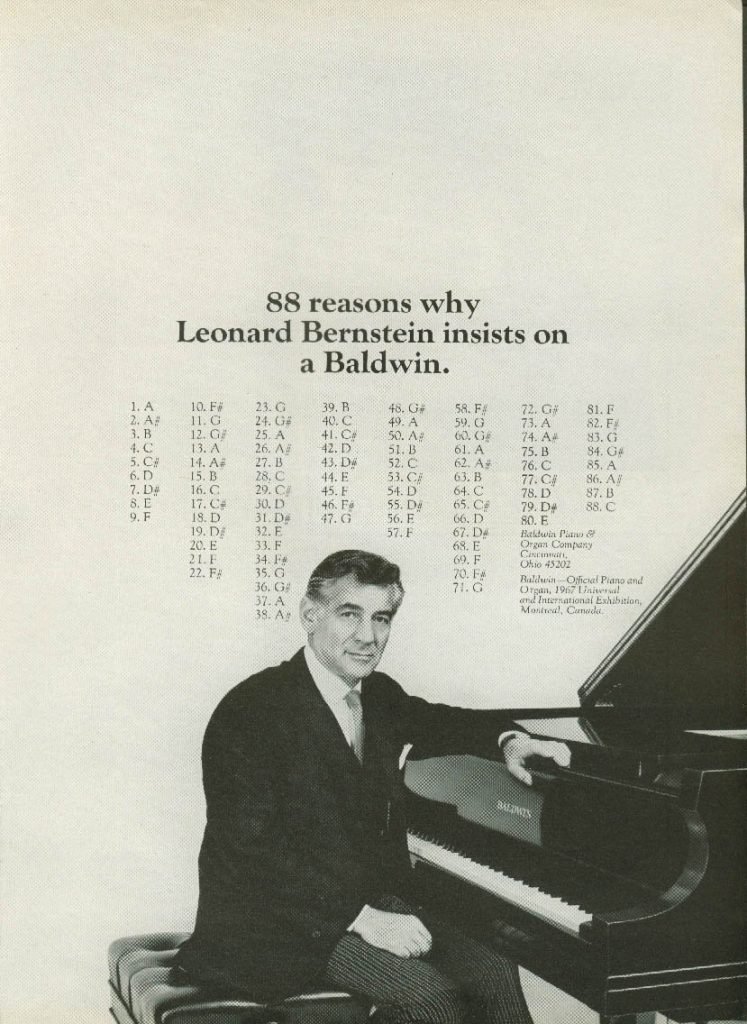 At the end of World War II Baldwin immediately reset their goals on challenging Steinway on the concert stage. Baldwin pianos were routinely seen in movies, television and the concert stage thanks in part to Hollywood Piano. Many of the most famous pianists, conductors, performers institutions and venues depended on the Baldwin piano for their artistic and creative inspiration. By 1953 the company had doubled production figures from prewar levels. In 1946, Baldwin introduced its first electronic organ (developed in 1941) which became so successful that the company changed its name to the Baldwin Piano & Organ Company. In 1961, Lucien Wulsin III became president. By 1963, the company had acquired C. Bechstein Pianofortefabrik and remained its owner until 1986. In 1965, Baldwin constructed a new piano manufacturing plant in Conway, Arkansas, originally to manufacture upright pianos: by 1973, the company had built 1,000,000 upright pianos.
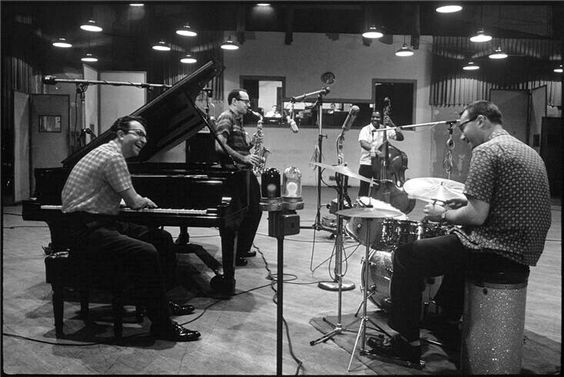 In modern times the Baldwin company diversified into banking and finance. It became one of the nations largest financial services companies showing up on the Fortune 500. When things went sour for the giant company the piano division was sold to management. This was about the same time many American manufacturers of a broad range of products from automobiles to pianos fell behind foreign competition who were offering lower priced and more consistent quality products. During this time there were number of the remaining American manufacturers who closed or were purchased including American Aeolian, Wurlitzer, (purchased by Baldwin), Sohmer, Universal Player, Story & Clark, Falcone, and Kimball. Of the old time piano companies from the 1800s only Baldwin, Mason & Hamlin and Steinway & Sons remained after the dust settled. All of these three remaining piano companies also went through purchases by outsiders or total restructuring.
 Seeing a good opportunity Gibson Guitar purchased the company adding Baldwin to their growing family of brands. Being a global company and realizing the costs of continuing to manufacture pianos in the USA would make their products non-competitively priced in the world market, they choose to move all production to China in 2008 and set up their own factories to build their own piano their own way.
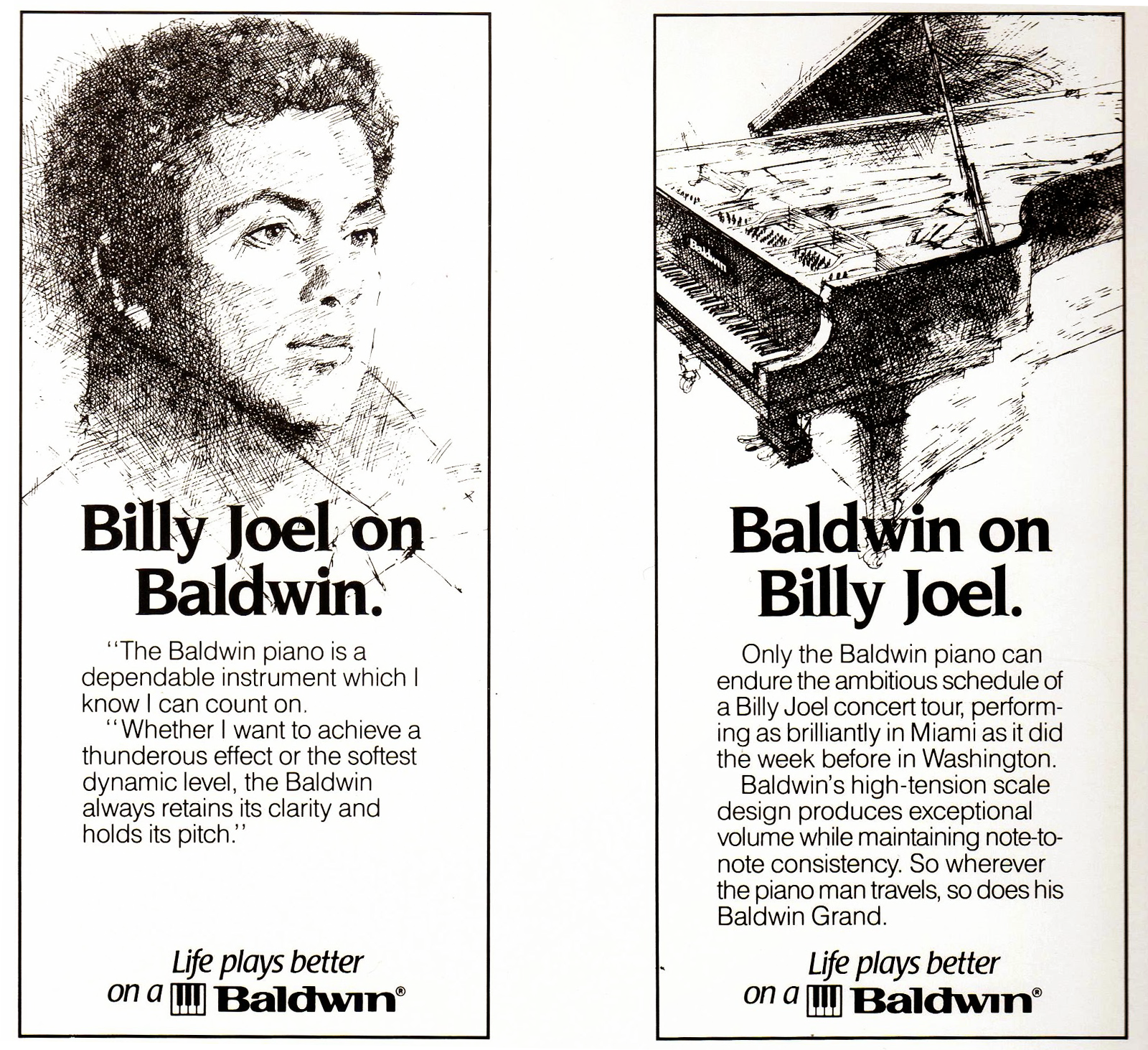
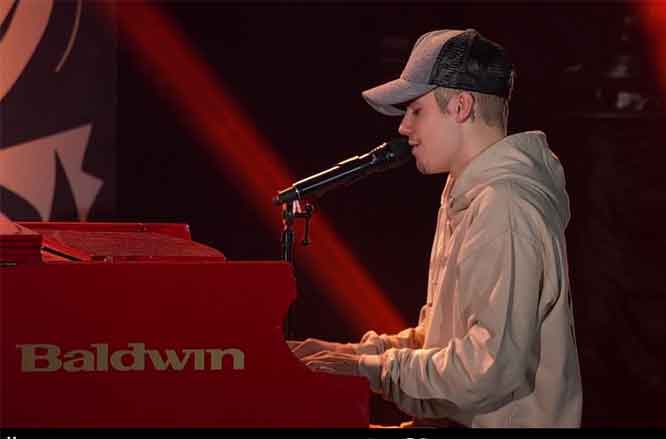
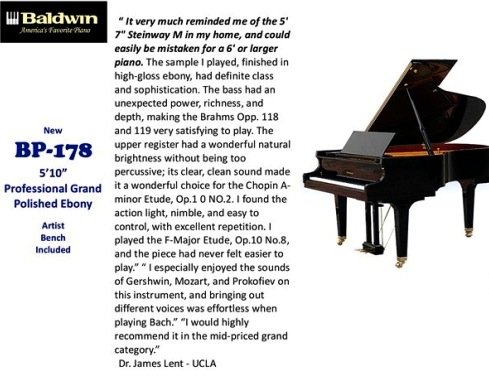 Baldwin operated and ran a major concert and artist program which was second only to Steinway. Many distinguished musicians had chosen to compose, perform and record using Baldwin pianos over the years, including the pianists Walter Gieseking, Claudio Arrau, Jorge Bolet, Earl Wild and José Iturbi and the composers Aaron Copland, Philip Glass, Igor Stravinsky, Béla Bartók, Leonard Bernstein, Steven Sondheim and John Williams. Baldwin pianos have been used by popular entertainers who are or at one time were official Baldwin artists including Ray Charles, Liberace, Richard Carpenter, Billy Joel, Michael Feinstein, Paul Schaffer, Carly Simon, Dave Brubeck, Benfolds, Dick Hyman, George Shearing, Marian McPartland, Armenia Adams, Clay Aiken, Monty Alexander, Dave Brubeck,
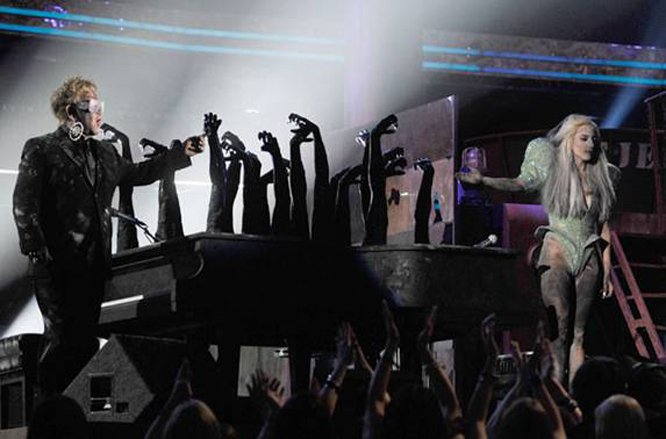
The Hollywood Piano Showroom has been the #1 Los Angeles Baldwin Piano Dealer since the 40's and continues to deliver quality Baldwin pianos to clients throughout the San Fernando Valley, Los Angeles, Burbank, Pasadena and Southern California.

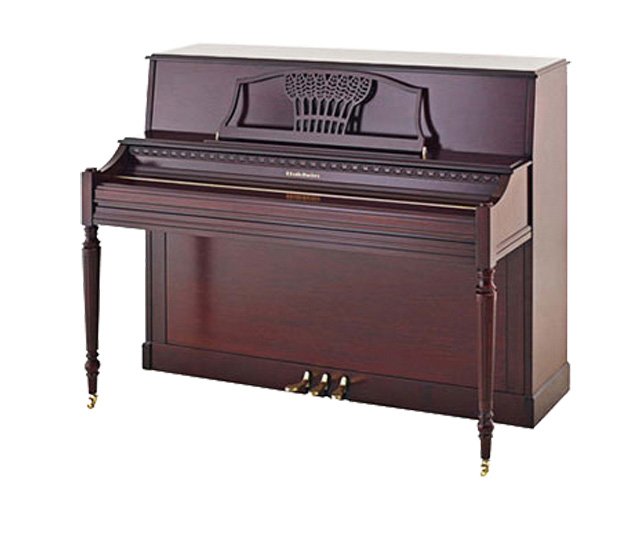


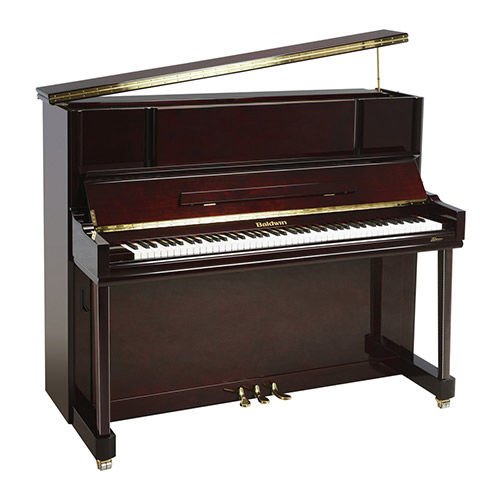


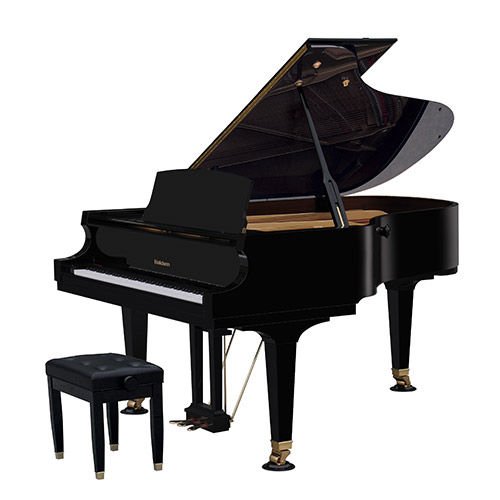



Every year our industry selects the 100 Top Dealers in the world. We’ve been selected 10 times!

Our value added warranty doubles the original warranty. Plus it’s transferable

Whenever you’re ready for a different piano you can bring it back and change it for life!


Hollywood Piano is one of the largest piano dealers in the Los Angeles Metro area serving the San Fernando Valley, San Gabriel Valley, Vetura County, Conejo Valley, Orange County, San Bernardino County, Riversdie County, Inland Empire, Lancaster, Palmdale, Burbank, Glendale, Pasadena, Hollywood, West Hollywood, Arcadia,San Moreno, Alhambra, Monterey Park,Baldwin Hills, West Covina, Walnut, Diamond Bar, Eastvale, Duarte,Hancock Park, Culver City, West LA, Santa Monica, Westwood, Brentwood, Beverly Hills, South Bay, Redondo Beach, Manhattan Beach, Palos Verdes, Long Beach, and North Hollywood. Hollywood Piano is the largest Baldwin piano dealer in the United States of America. Our Company sells new pianos, used pianos, and is the largest piano rental agency in the Los Angeles metropolitan region. The models of new and used acoustic pianos that it sells include Steinway & Sons, Mason & Hamlin, Seiler, Estonia, Albert Weber, Brodmann ,Steingraeber, Sohmer,Knabe, Young Chang, Petrof, Pleyel, Weber, Bergmann, Falcone, George Steck, Hobart M. Cable, Brodmann, Schiedmayer, Bernard Shoninger, Kawai, Yamaha, Samick, Chares Walter,Shigeru Kawai, Schimmel, Perzina, Star, Hallet & Davis ,Kingsburg, Chickering, Kimball, Boston, Essex, Kohler & Campbell, Bosendorfer, Bechstein, Bohemia, Fazioli, Bluthner, Vose and Sons, Kurtzmann, Pramberger, Story & Clark, Hallet & Davis, Knabe, Wurlitzer, Adagio, Hailun, Ritmuller, Pearl River, Yamaha Disklavier, August Forester, Grotrin Steinweg, Sauter, Schulze Pollman and Hardman Peck. Also digital pianos from Roland, Kurzweil, Yamaha Clavinova, Casio, AvantGrand, The One and Korg. Finally, we carry player piano systems from Pianomation, Piano Disc and QRS, Pianoforce and Live Performance LX.
Los Angeles County: 499 South Arroyo Parkway, Pasadena, CA
Call Us: 1800 MY-PIANO (1800-697-4266)

© 2026 Hollywood Piano. All Rights Reserved. | Return Policy | Privacy Policy

Hollywood Piano
We firmly believe that the internet should be available and accessible to anyone, and are committed to providing a website that is accessible to the widest possible audience, regardless of circumstance and ability.
To fulfill this, we aim to adhere as strictly as possible to the World Wide Web Consortium’s (W3C) Web Content Accessibility Guidelines 2.1 (WCAG 2.1) at the AA level. These guidelines explain how to make web content accessible to people with a wide array of disabilities. Complying with those guidelines helps us ensure that the website is accessible to all people: blind people, people with motor impairments, visual impairment, cognitive disabilities, and more.
This website utilizes various technologies that are meant to make it as accessible as possible at all times. We utilize an accessibility interface that allows persons with specific disabilities to adjust the website’s UI (user interface) and design it to their personal needs.
Additionally, the website utilizes an AI-based application that runs in the background and optimizes its accessibility level constantly. This application remediates the website’s HTML, adapts Its functionality and behavior for screen-readers used by the blind users, and for keyboard functions used by individuals with motor impairments.
If you’ve found a malfunction or have ideas for improvement, we’ll be happy to hear from you. You can reach out to the website’s operators by using the following email
Our website implements the ARIA attributes (Accessible Rich Internet Applications) technique, alongside various different behavioral changes, to ensure blind users visiting with screen-readers are able to read, comprehend, and enjoy the website’s functions. As soon as a user with a screen-reader enters your site, they immediately receive a prompt to enter the Screen-Reader Profile so they can browse and operate your site effectively. Here’s how our website covers some of the most important screen-reader requirements, alongside console screenshots of code examples:
Screen-reader optimization: we run a background process that learns the website’s components from top to bottom, to ensure ongoing compliance even when updating the website. In this process, we provide screen-readers with meaningful data using the ARIA set of attributes. For example, we provide accurate form labels; descriptions for actionable icons (social media icons, search icons, cart icons, etc.); validation guidance for form inputs; element roles such as buttons, menus, modal dialogues (popups), and others. Additionally, the background process scans all the website’s images and provides an accurate and meaningful image-object-recognition-based description as an ALT (alternate text) tag for images that are not described. It will also extract texts that are embedded within the image, using an OCR (optical character recognition) technology. To turn on screen-reader adjustments at any time, users need only to press the Alt+1 keyboard combination. Screen-reader users also get automatic announcements to turn the Screen-reader mode on as soon as they enter the website.
These adjustments are compatible with all popular screen readers, including JAWS and NVDA.
Keyboard navigation optimization: The background process also adjusts the website’s HTML, and adds various behaviors using JavaScript code to make the website operable by the keyboard. This includes the ability to navigate the website using the Tab and Shift+Tab keys, operate dropdowns with the arrow keys, close them with Esc, trigger buttons and links using the Enter key, navigate between radio and checkbox elements using the arrow keys, and fill them in with the Spacebar or Enter key.Additionally, keyboard users will find quick-navigation and content-skip menus, available at any time by clicking Alt+1, or as the first elements of the site while navigating with the keyboard. The background process also handles triggered popups by moving the keyboard focus towards them as soon as they appear, and not allow the focus drift outside it.
Users can also use shortcuts such as “M” (menus), “H” (headings), “F” (forms), “B” (buttons), and “G” (graphics) to jump to specific elements.
We aim to support the widest array of browsers and assistive technologies as possible, so our users can choose the best fitting tools for them, with as few limitations as possible. Therefore, we have worked very hard to be able to support all major systems that comprise over 95% of the user market share including Google Chrome, Mozilla Firefox, Apple Safari, Opera and Microsoft Edge, JAWS and NVDA (screen readers).
Despite our very best efforts to allow anybody to adjust the website to their needs. There may still be pages or sections that are not fully accessible, are in the process of becoming accessible, or are lacking an adequate technological solution to make them accessible. Still, we are continually improving our accessibility, adding, updating and improving its options and features, and developing and adopting new technologies. All this is meant to reach the optimal level of accessibility, following technological advancements. For any assistance, please reach out to

